

Glow Matrix
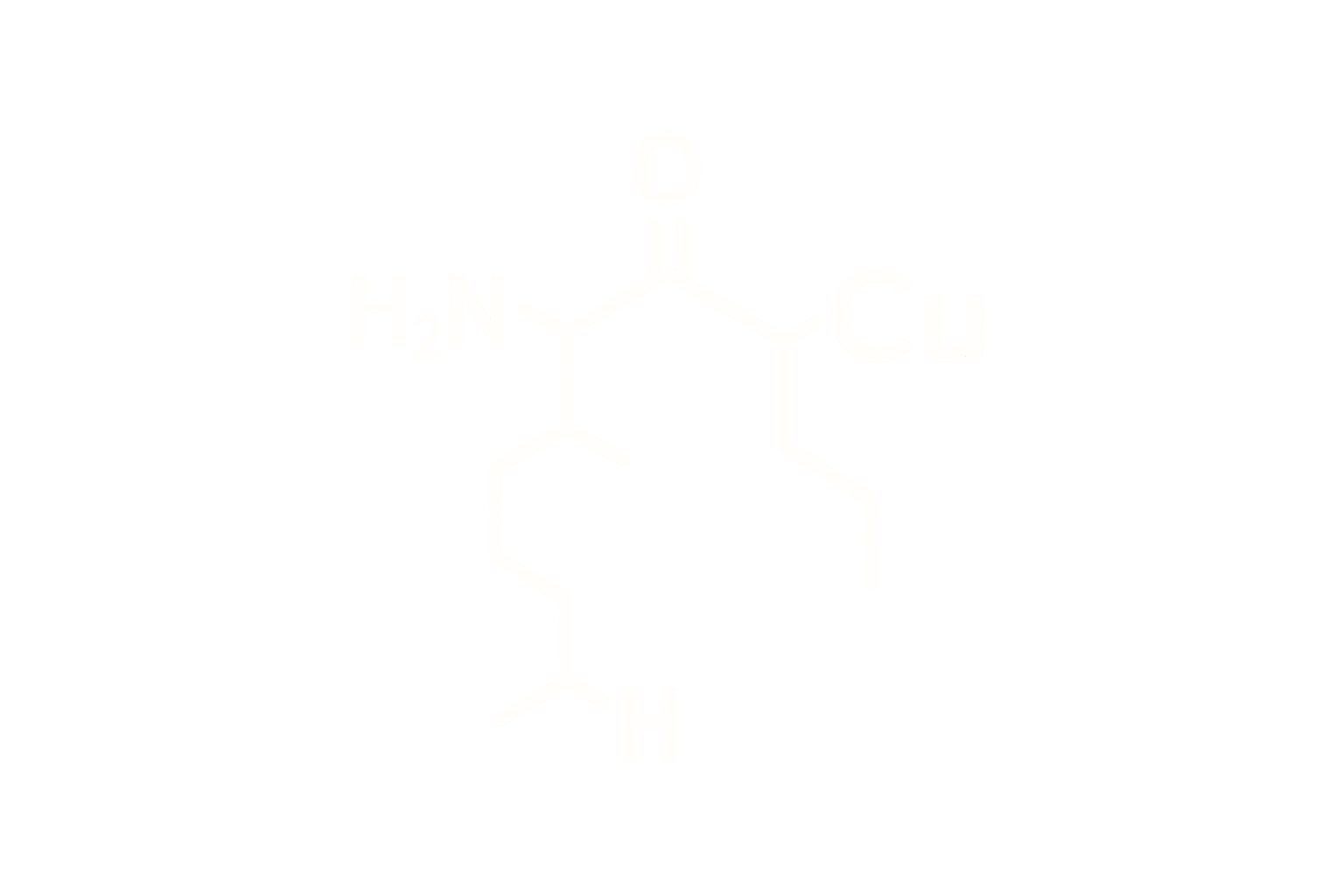
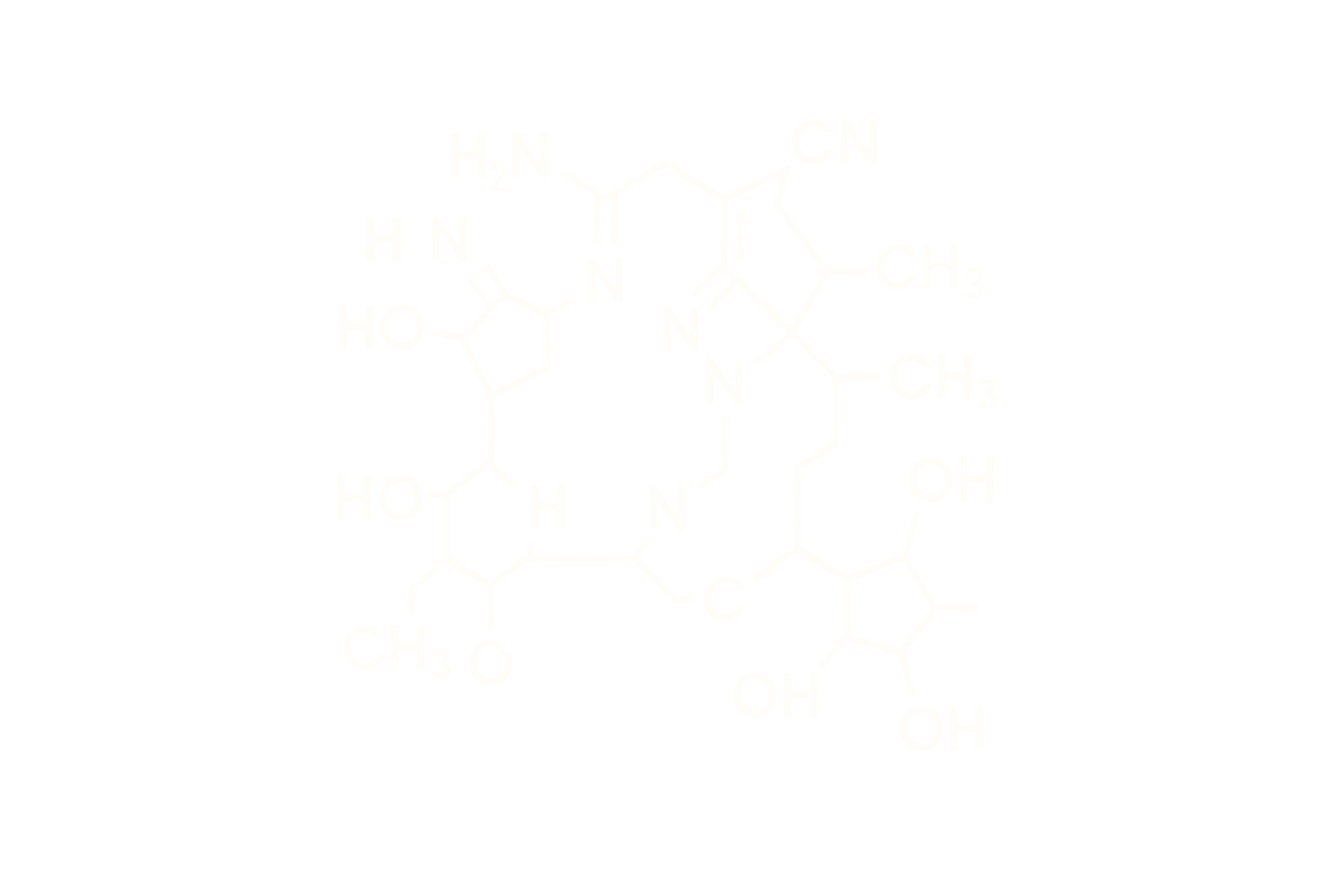
Glow Matrix is a synergistic blend of three regenerative peptides: TB-500 (Thymosin Beta-4 Fragment), GHK-Cu (Copper Tripeptide-1), and BPC-157 (Body Protection Compound 157). This triad is designed for advanced scientific research targeting wound healing, angiogenesis, soft tissue remodeling, and cellular regeneration. Each peptide exerts complementary effects across cytoskeletal dynamics, extracellular matrix repair, and vascular stability.
Peptide Content (per vial)
- GHK-Cu (Copper Tripeptide-1) Acetate – 30 mg
- TB-500 (Thymosin Beta-4 Fragment) Acetate – 10 mg
- BPC-157 (Body Protection Compound 157) Acetate – 10 mg
Mechanism of Action
| Peptide | Target | Pathway | Mechanism |
|---|---|---|---|
| GHK-Cu | Gene transcription (e.g., TGF-β1, VEGF) | Wound healing, angiogenesis, anti-inflammation | Copper-bound tripeptide modulates over 4,000 genes involved in repair and regeneration |
| TB-500 | G-actin / cytoskeletal regulators | Angiogenesis, cell migration | Enhances actin polymerization and cellular migration for tissue repair |
| BPC-157 | VEGFR2, eNOS, FAK-paxillin | Endothelial repair, NO signaling | Stabilizes vasculature, promotes healing of muscle, tendon, and gut tissues |
β-Arrestin Recruitment
None of the included peptides are known to act as GPCR agonists; therefore, β-arrestin recruitment is not a primary signaling pathway. Their biological activity is mediated through transcriptional activation (GHK-Cu), cytoskeletal interactions (TB-500), and endothelial/paracrine signaling (BPC-157).
Pharmacokinetics & Research Utility
- Administration Route: Injectable (subcutaneous/intramuscular)
- Half-Life: GHK-Cu (~30 min), TB-500 (~2–3 hrs), BPC-157 (~4–6 hrs)
- Onset of Action: Rapid upregulation of transcription, cytoskeletal repair, and angiogenesis
- Applications: Regenerative research, ECM remodeling, wound healing, anti-inflammatory studies
Formulation, Stability & Distribution
- Appearance: White/off-white lyophilized powder
- Solubility: Highly soluble in bacteriostatic water or 0.6% acetic acid
- Recommended Stabilizers: Mannitol (2–5%) or trehalose as bulking agents
- Vial Size: 3 mL USP Type I borosilicate vials (20 mm neck) with rubber stoppers and colored flip-off caps
- Storage: Lyophilized: –20°C; Reconstituted: 2–8°C for up to 14 days
- Distribution: Aliquoted into single-use or multi-use vials with QR-coded batch labeling
References
- Pickart L, Margolina A. GHK-Cu in Skin Remodeling and Gene Modulation. Clin Interv Aging. 2018.
- Malinda KM et al. Thymosin β4 stimulates endothelial cell migration. FASEB J. 1997.
- Sikiric P et al. BPC 157 and vascular repair in muscle and GI injury. Curr Pharm Des. 2021.
- Milinkovic M et al. BPC 157 promotes angiogenesis via VEGFR2 pathway. J Physiol Pharmacol. 2010.